
Google and DAZN set out with the challenge to deliver targeted ads in one of the most popular sports events of the year – and executed it flawlessly
For this summer’s FIFA Club World Cup, DAZN opened up its platform to let fans watch the FIFA Club World Cup for free, with ad support. With its long sports streaming record, the company wanted something that it could deliver to fans at scale. Plus, for DAZN’s advertisers, the rewards could be great.
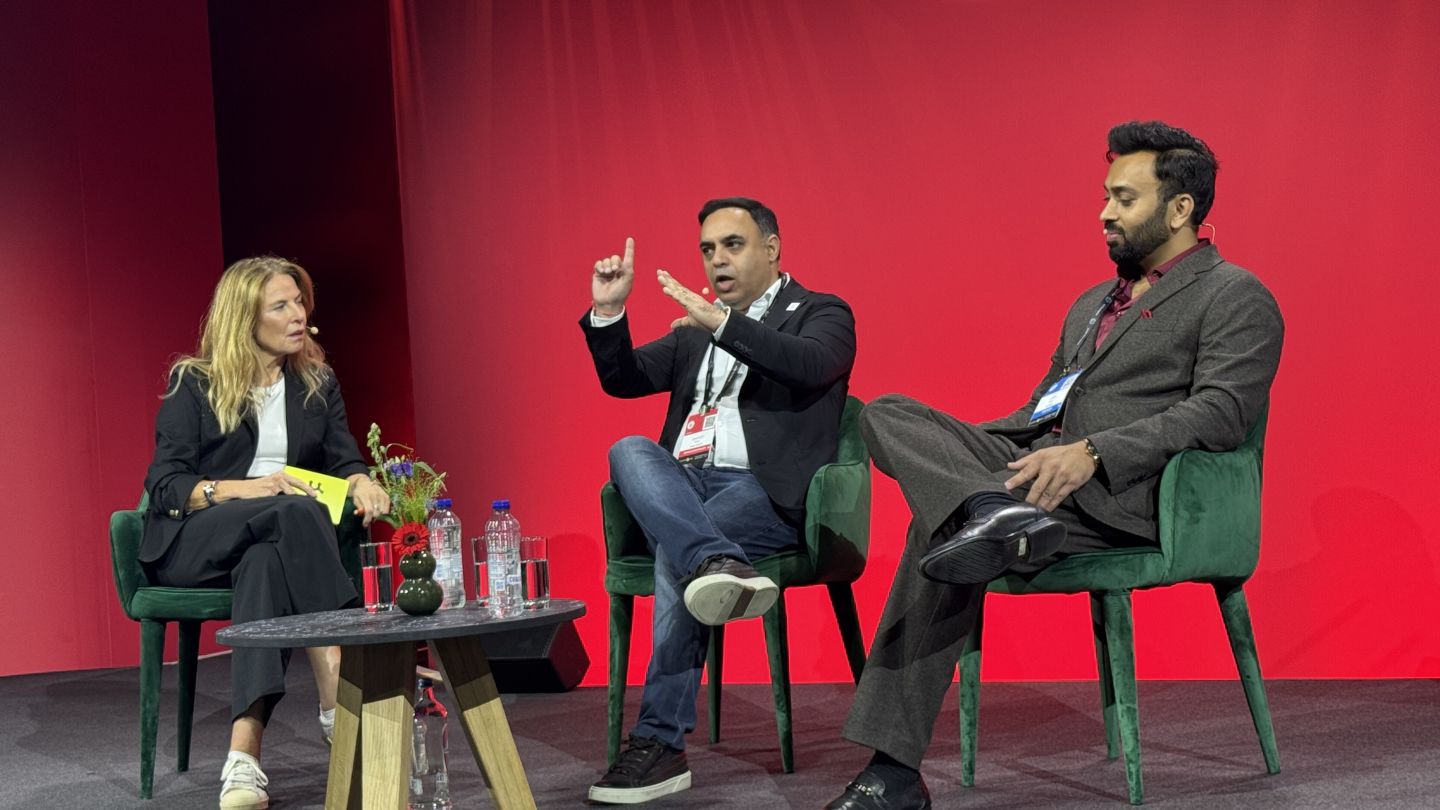
“The data we have now about every sports fan globally is gold,” said DAZN’s Tiku.
However, to deliver its premium viewing experience at the scale required by the event, giving every customer globally the same experience, with personalised ads, was a complex undertaking. With personalised ad insertion at that scale, a lot could go wrong. Latency had to be considered. Additionally, the various OS needed to be as seamless as the content delivery. How was DAZN to prepare for that without understanding what the traffic would be?
“I have been working with DAZN for three years,” said Dev. “I don’t follow football – don't even understand it – but I understand technology and I understand user experience.”
A rigorous testing phase ensued, modelling up to 300 million concurrent views within five minutes. Google's infrastructure is distributed, not monolithic, and so it couldn’t be assumed that every viewer would get the same experience.
“We’d already been working together,” said Tiku. “We know those things work, but would they work at scale. How do we ensure it doesn’t cause buffering at that scale?
“We failed really badly to start with,” he continued. “But quickly, between us and our CDN providers, we got it right. During the FIFA Club World Cup, we were keeping a watch on customer feedback 24/7. There was not even a single bit of feedback from any country complaining about buffering.”
Testing across four or five months meant that the DAZN team could optimise the delivery and then put multiple processes in place to weather any trouble spots.
“We had multiple levels,” said Tiku on the bulwark of responses designed to protect the system from errors. “If everything went wrong, (a fifth – and final – level of disaster), our DAZN app across all devices would automatically switch to safe mode with no advertisements. Viewers would have a plain screen and still be able to just watch.”
New infrastructure was built in London to support this final failsafe.
“No opportunity that is worth monetising should be lost,” said Dev. The rich mine of data that DAZN has collected not only means better returns for advertisers but a better experience for fans.
Tiku underlined that data isn’t just about what the customer is up to, but the entire data environment they live in.
“Use the data. We tend to focus on the personal but [we should] bring in the whole ecosystem. What is the day of the year? Is it Valentine’s Day? Bring it in so it becomes part of the experience and something the customer likes, not wants to avoid.”
Adrian Pennington recently investigated how Sky Sports is delivering UHD footage of the Lions Tour in Australia with remote production techniques. Discover more here.
.jpg)
NAB Show New York: The stakes could not be higher
As media, technology, and politics become increasingly intertwined, the stakes extend far beyond the balance sheet.
.jpg)
6G-Holonet: Bringing Star Trek’s comms system to reality
As the 6G-Holonet project sets its sights on live entertainment, cultural heritage sites, and immersive media, Alex Buchan, Chief Technology Officer, DTG, reveals the key technological considerations that have ensured the project’s impact.
.jpg)
ULL-timate goal: How streamers are prioritising ultra-low latency
With audiences expecting instant global information, and broadcasters competing against social platforms that deliver clips within seconds, the race is on to deliver ultra-low latency (ULL) as a competitive edge.
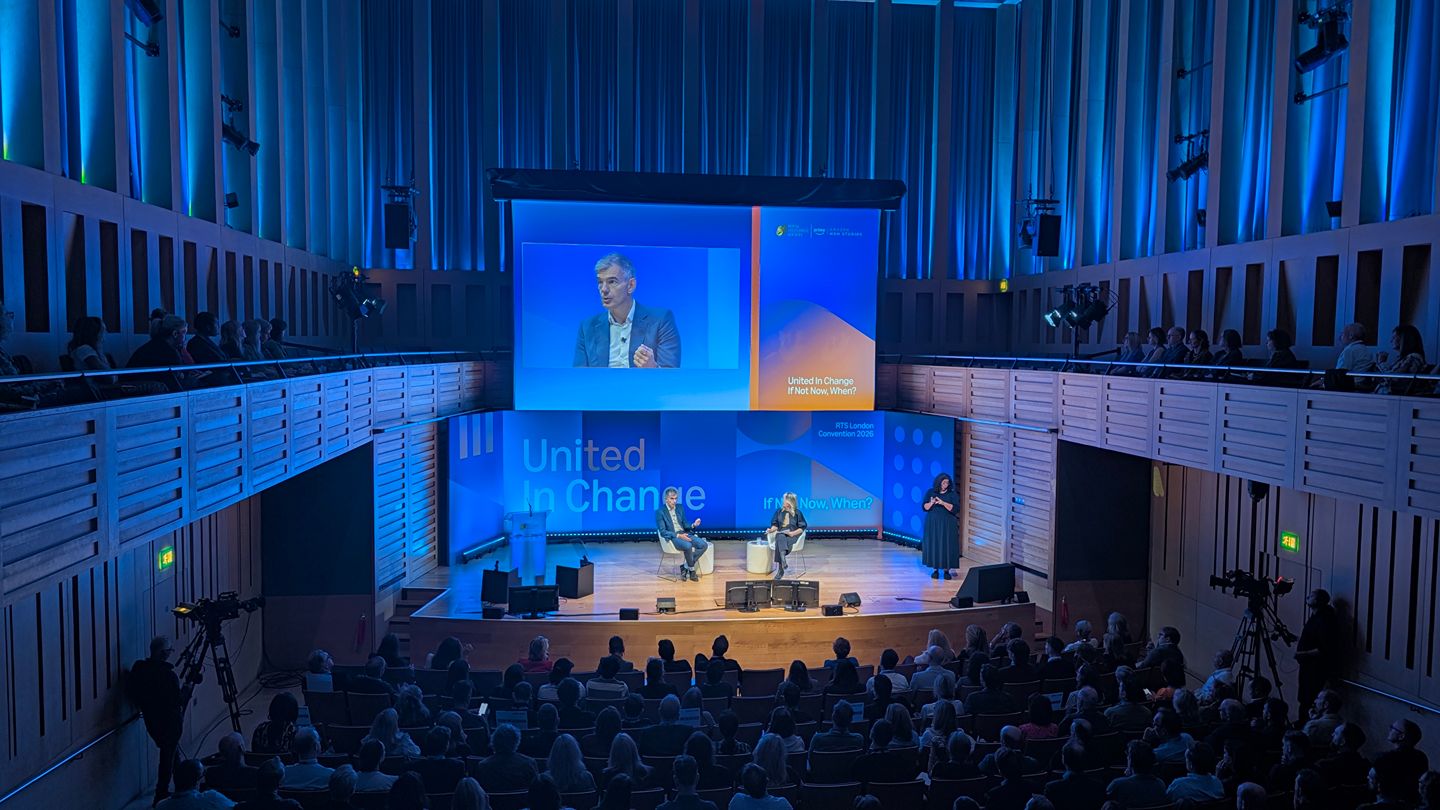
RTS Convention: “The prize for standing still simply isn't an option”
AI was largely sidelined at the annual RTS gathering where the fate of public service media took precedence. Adrian Pennington reports.
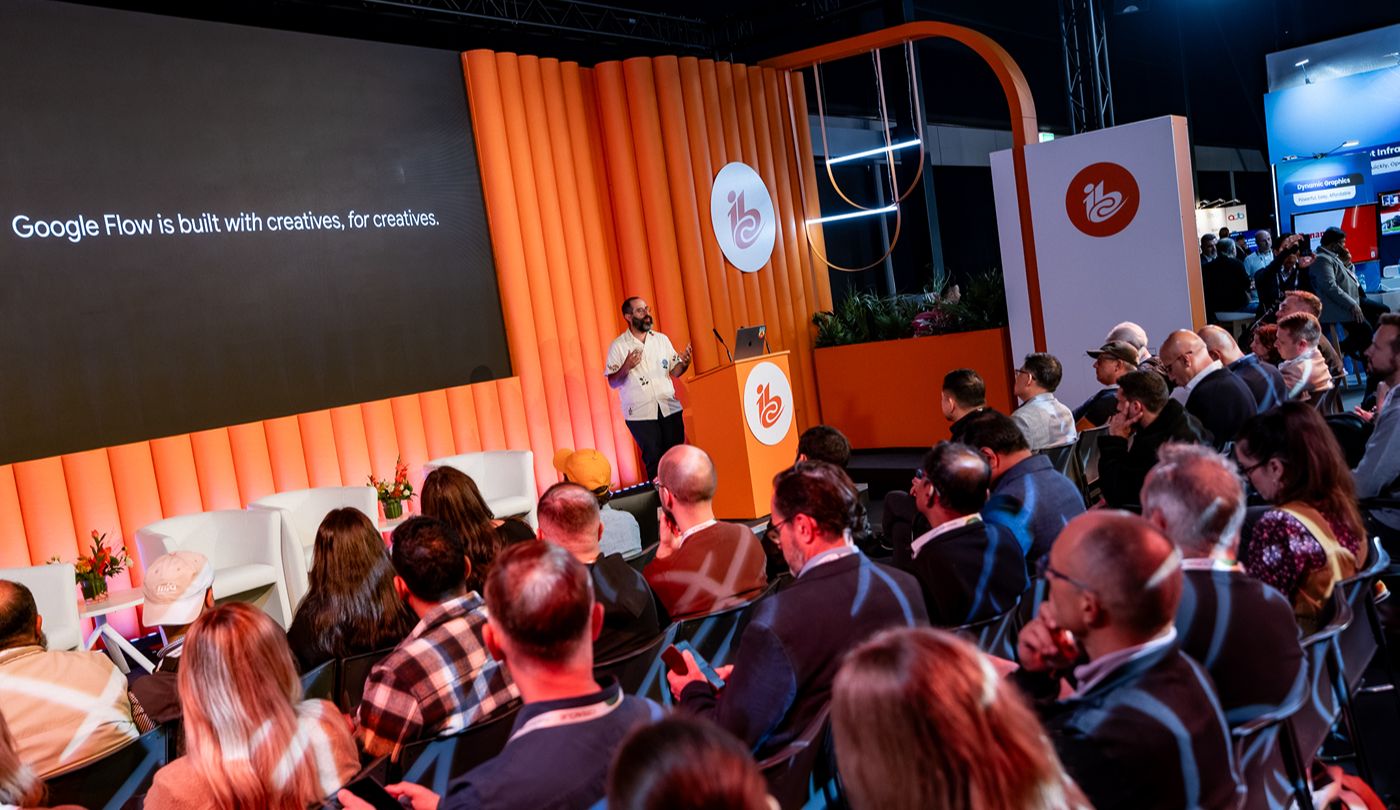
Content Everywhere at IBC2026: AI moves from hype to action
Companies from across the Content Everywhere ecosystem highlight what they see as some of the most promising industry developments at IBC2026, while calling out areas where they think the industry has room for improvement.
.jpg)

.jpg)