

The annoyance of fluctuating sound levels on TV was part of the viewing experience for decades, but a concerted effort by standards bodies had made those difficulties a thing of the past. Now, old problems have begun to resurface in the new OTT landscape.
Some technical issues never go away, even though it seemed, at one time, they were being resolved. Loudness is a case in point. It had been a long-standing problem in television, particularly from the 1950s onwards. Then, nearly 20 years ago, new standards and technologies were introduced that began to...
You are not signed in
Only registered users can read the rest of this article.
.jpg)
6G-Holonet: Bringing Star Trek’s space-age comms system to reality
As the 6G-Holonet project sets its sights on live entertainment, cultural heritage sites, and immersive media, Alex Buchan, Chief Technology Officer, DTG, reveals the key technological considerations that have ensured the project’s impact.
.jpg)
ULL-timate goal: How streamers are prioritising ultra-low latency
With audiences expecting instant global information, and broadcasters competing against social platforms that deliver clips within seconds, the race is on to deliver ultra-low latency (ULL) as a competitive edge.
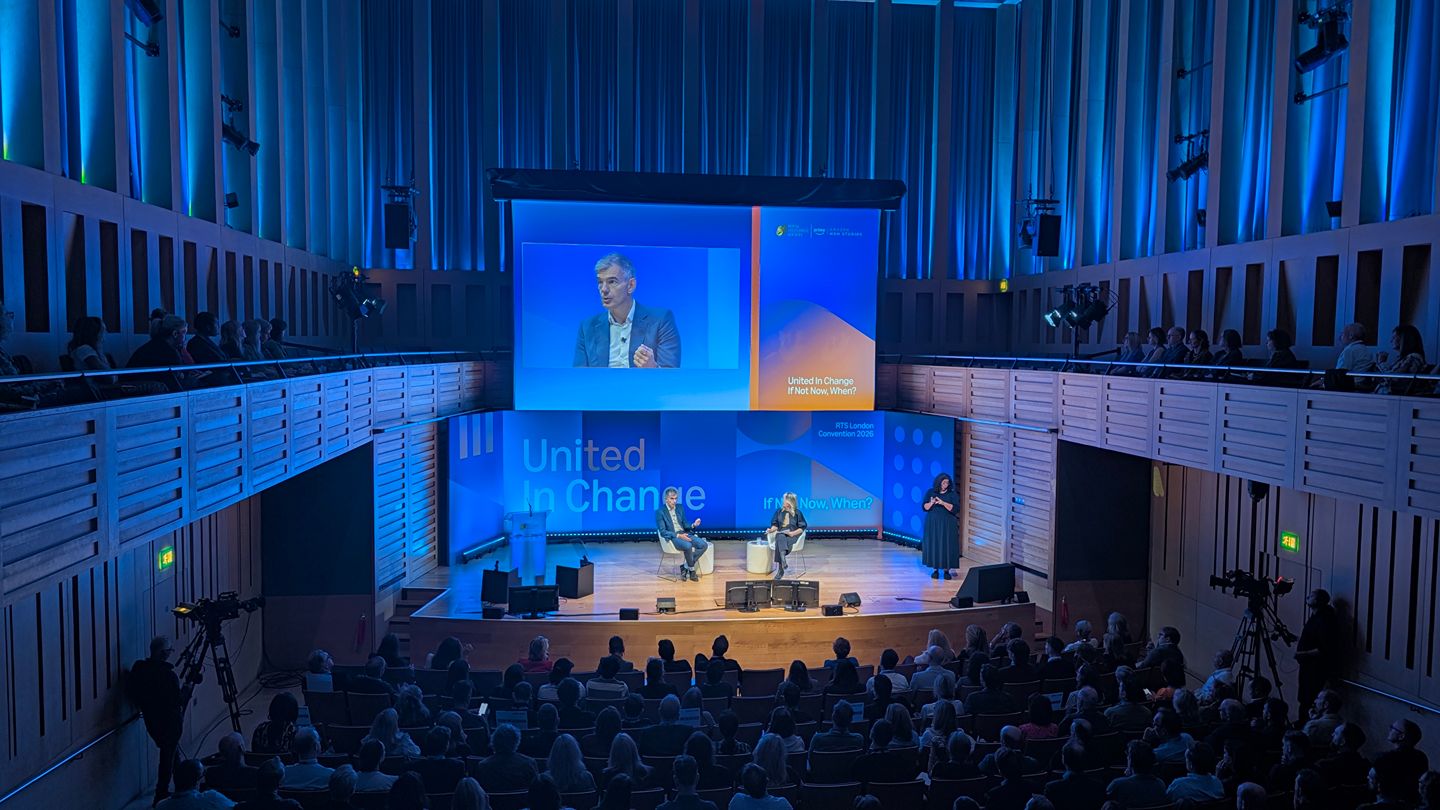
RTS Convention: “The prize for standing still simply isn't an option”
AI was largely sidelined at the annual RTS gathering where the fate of public service media took precedence. Adrian Pennington reports.

Content Everywhere at IBC2026: AI moves from hype to action
Companies from across the Content Everywhere ecosystem highlight what they see as some of the most promising industry developments at IBC2026, while calling out areas where they think the industry has room for improvement.
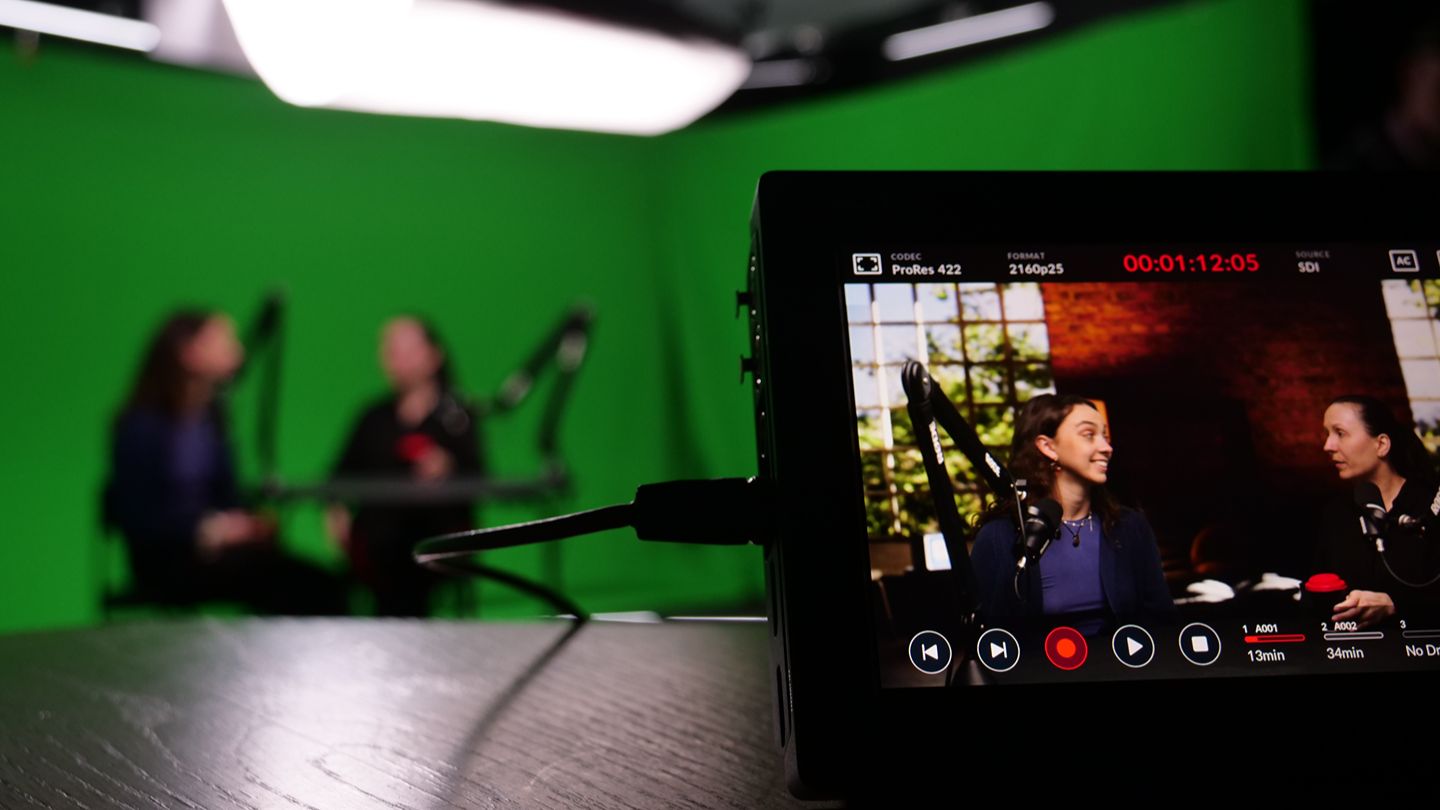
How virtual sets are changing the shape of podcast production
One podcast session can now feed a much wider content package spanning audio and video. Rob Chandler, Founder, CEO, The Dean Street Podcast Studio, explains how that changing demand shaped the studio he built in central London.
.jpg)
.jpg)
.jpg)
