
.jpg)
As the streaming industry increasingly fixates on capturing viewer attention, Mick McCluskey, Vice President of Product Management at Enghouse Networks, flags an oft-overlooked priority: a business infrastructure that encourages long-term loyalty.
Over the past decade, our industry has focused on one overriding challenge: getting streaming to work. We've invested enormous effort in improving video quality, reducing latency, scaling platforms, expanding device support, and making cloud delivery more practical. Those challenges haven't gone away. Delivering high-quality video reliably, at scale and at a sustainable cost remains one of the hardest problems in our industry.
However, I believe we've reached an important turning point. For years we've measured success by getting viewers to press play. Increasingly, I think success will be measured by whether they come back afterward. Today's viewers have almost unlimited choice. They move effortlessly between traditional television, streaming services, social platforms, and short-form video. That means media businesses are no longer competing simply to deliver content. They're competing for attention, loyalty, and ultimately habit.
.jpg)
This raises a deceptively simple question: why should someone choose your service today, and why should they return tomorrow? I think that question is becoming just as important as how well we deliver the stream itself.
Live sports
Sports provide a good example. Traditionally, success has revolved around the live event. Secure the rights, deliver a reliable stream, and attract as many viewers as possible while the match, race, or tournament is taking place.
Yet, a fan's relationship with a team or competition doesn't begin at kick-off and end with the final whistle. Fans follow fixtures before an event. They check standings, statistics and storylines. They want reminders before a match begins, updates during the action, and highlights afterward. They follow rivalries, players, and competitions throughout an entire season.
In other words, the live stream is only one moment in a much longer journey. Creating services that support that journey gives people more reasons to return. Instead of opening an application only when an event is live, viewers have meaningful reasons to engage before, during, and after they watch. I think there's a broader lesson here for the industry.
Engagement shouldn't simply mean publishing more content. It should mean helping viewers discover something relevant more easily, providing useful context, and making the service valuable even when they aren't actively watching live television.
Personalisation technology
Personalisation clearly has a role to play, and so does artificial intelligence. However, I'm cautious about treating AI as the objective. The more useful question is whether technology removes friction. Does it help people discover something they'll genuinely enjoy? Does it make operations more efficient? Does it create a better experience for viewers? If it doesn't achieve one of those outcomes, the label itself adds very little.
The same principle applies commercially. When audiences return more frequently, they create more opportunities to build lasting relationships. Subscription revenue remains fundamental for many services, but it won't be the only answer. Advertising becomes more valuable when viewers engage regularly rather than occasionally. Merchandising benefits from ongoing fan engagement rather than a single match-day interaction. Even new approaches to packaging content depend on audiences returning often enough to build familiarity and trust.
That's why I increasingly see engagement as both a viewer strategy and a business strategy.
Flexible infrastructure, fixed habits
One trend I find particularly encouraging is that most operators and broadcasters aren't looking to replace everything they've already built. Instead, they're looking to evolve existing platforms, introduce new capabilities where there's a clear business case, and improve the viewer experience without adding unnecessary operational complexity. To me, that makes flexibility more important than chasing the latest technology trend.
The organisations that succeed won't necessarily be the ones with the newest platform or the longest feature list. They'll be the ones that continue to adapt as viewing habits evolve, commercial models change, and new technologies become genuinely useful.
As the industry gathers at IBC this year, there will rightly be plenty of discussion about AI, streaming technology, and the next generation of media platforms. Those conversations are important. Nevertheless, I hope we also spend time discussing something slightly different.
We've spent the last decade optimising how we deliver streaming. The next decade will be about optimising why viewers choose to come back.
For me, that's where the biggest opportunity lies – not simply in delivering another stream, but in creating services that become part of a viewer's daily habits. The organisations that solve that challenge will be the ones best placed to build stronger audiences and more sustainable media businesses.
IBC recently revealed the 600 speakers set to take to the showfloor stages in September 2026, with talks ranging from shifting business models, transformative tech, and people and purpose to address the biggest issues impacting the global media and entertainment community. Discover more here.
.jpg)
The production question AI demos rarely answer: where does the tool fail?
When people discuss generative artificial intelligence in filmmaking, the question is usually whether it will replace creative teams. On a real production, that question is too broad to be useful. The practical question is simpler: where does the tool fail, and what must the production protect when it does?
.jpg)
Personalisation is not just technology; it’s trust
As streamers race to learn more and more about their users, Tom Dvorak, Co-Founder of XroadMedia, suggests a different tack to personalise content feeds and promote subscriber loyalty.
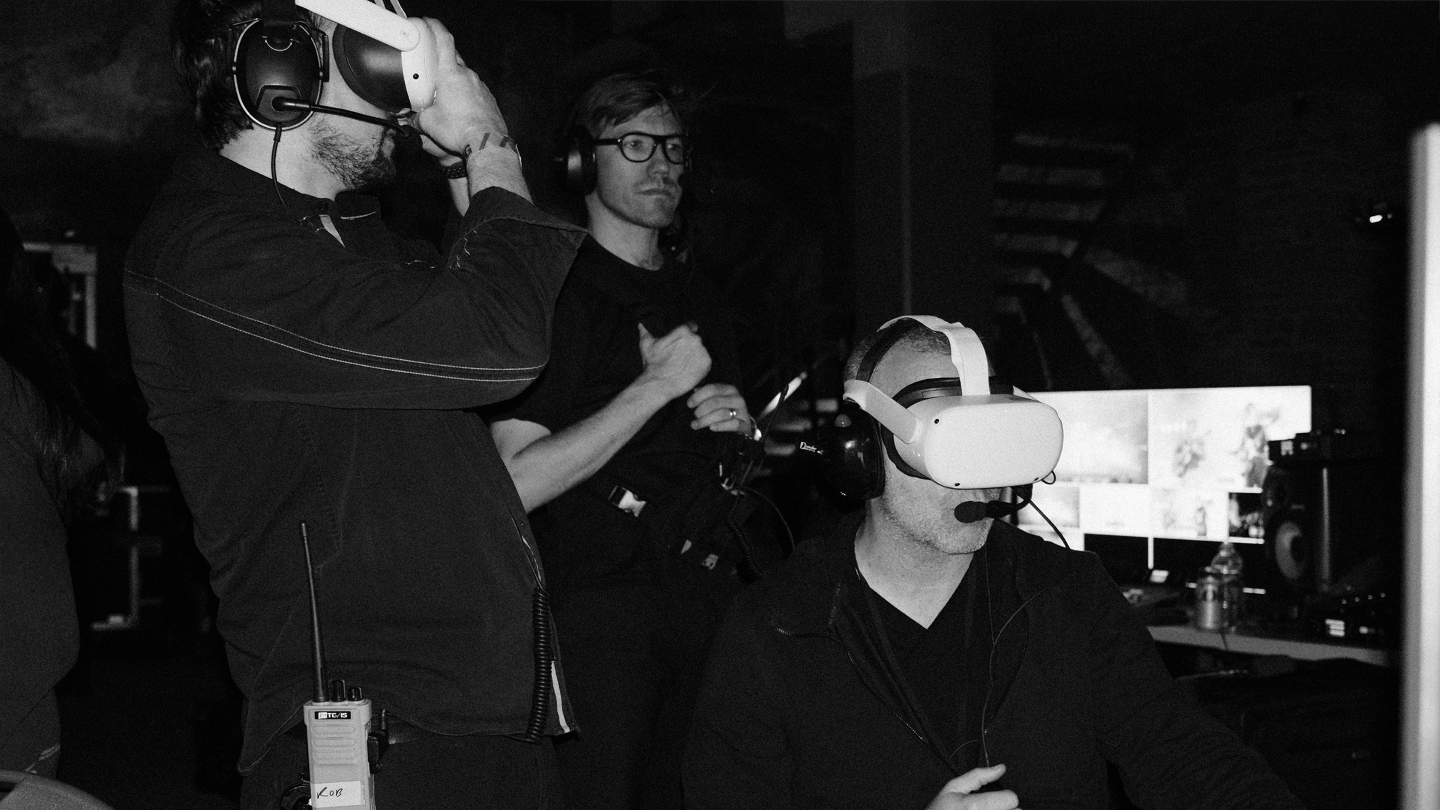
The immersive supervisor: A new role for a new Hollywood
As production crews struggle to adapt to evolving immersive tech workflows, Matt Celia, Chief Creative Director and Co-Founder of Light Sail VR, consults his decade of experience to offer a profoundly human answer to this technological problem.

Co-producing across borders: “Authenticity has become part of the appeal”
Responsible for more than half of Iceland’s scripted TV output in the past five years, production company Glassriver has adapted to a changing media landscape, becoming experts in navigating international co-productions. CEO Andri Ómarsson explains how these international partnerships are now helping local stories travel further than ever.
.jpg)
We must go upstream: The financial crisis facing film and TV
Film and TV Charity CEO Marcus Ryder shares his thoughts on the alarming findings from the organisation’s second Money Matters report.

.jpg)

.jpg)