
IBC Conference: Evan Shapiro returned to IBC to remind content companies that their first priority is to go where the audience is.
The IBC Conference was again treated to the vibrant data stylings of “media cartographer” Evan Shapiro whose last IBC was two years ago. His company ESHAP has earned a reputation for no-nonsense, visually engaging presentations which give real viewing numbers and what they mean. And what they usually mean is that traditional broadcasters need to get on social media or risk extinction.
Shapiro’s opener was to show his master slide of the Media Universe in 2025, depicting graphic representations of the revenue of all content companies of note, then comparing it from a well-known one of several years ago. The data point that is most interesting – and perhaps most misleading – is that revenue of many of the media companies has remained relatively stable.
Good news in such turbulent times for the industry? Not really.
Because the wider perspective shows that while the traditional media companies aren’t in danger of imminent collapse, all the growth is in the big tech platforms whose revenues are in the trillions of dollars.
“Big media has plateaued,” said Shapiro, “while technology has continued to expand."
This discrepancy between traditional content companies and the tech platforms is emblematic of the split between two sets of audiences. And while traditional media companies continue to stick with one, they are in danger of losing the other – and with them, a lot of money and engagement.
“Five years ago, when everyone decided to go direct to the consumer, we ceded 100% control to the user. We all use big tech and the users are now in control.”
Shapiro drove home again and again the point that those users who get their content through online media platforms are never going to be wooed back to traditional watching habits. He pointed out how YouTube is not just dominant as a social platform, but as a TV watching platform. Young people are watching the big screen in the living room – but they’re watching YouTube on it.
“Netflix knows who its competition is. It’s YouTube.”
Shapiro begged broadcasters to start going out to social platforms with their content. He cited work he had done with CBC who were sceptical about running their content directly on YouTube. Traditional wisdom would say that sharing content across other platforms would risk cannibalising your audience. But CBC found that in practice the opposite was the case. Using YouTube as a distribution tool made for easier discovery by the users of the platform.
Shapiro dubs the new paradigm of content distribution the “Affinity Economy”, in which content companies go directly to audiences and fans wherever they are and collaborate with them, from commissioning to release.
“In the affinity economy we have to stop using the vanity metrics of the past.”
For Shapiro, the new measurement of successful media businesses will be the loyalty built up with audiences and the willingness for the creator to go to the audience, rather than the other way round.
.jpg)
6G-Holonet: Bringing Star Trek’s space-age comms system to reality
As the 6G-Holonet project sets its sights on live entertainment, cultural heritage sites, and immersive media, Alex Buchan, Chief Technology Officer, DTG, reveals the key technological considerations that have ensured the project’s impact.
.jpg)
ULL-timate goal: How streamers are prioritising ultra-low latency
With audiences expecting instant global information, and broadcasters competing against social platforms that deliver clips within seconds, the race is on to deliver ultra-low latency (ULL) as a competitive edge.
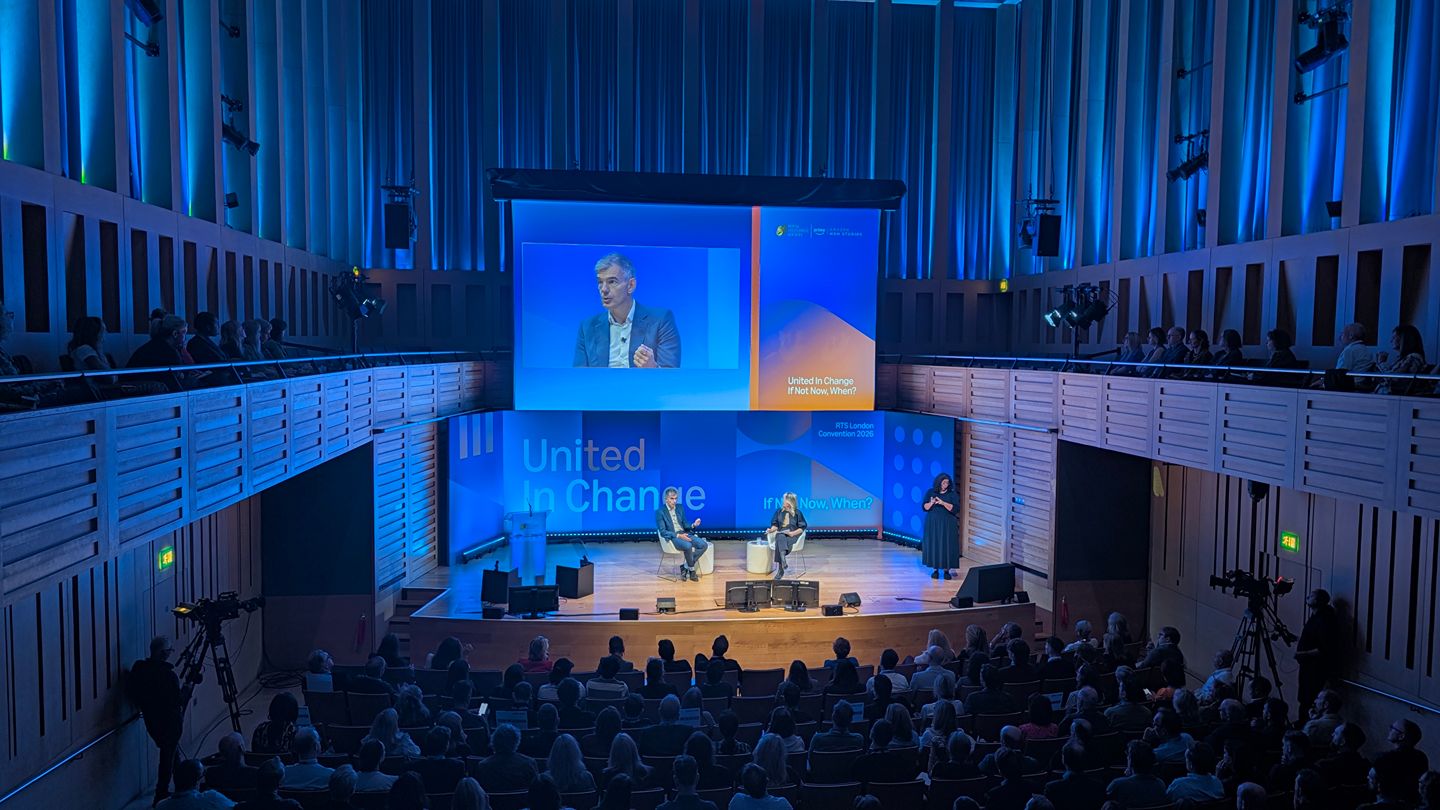
RTS Convention: “The prize for standing still simply isn't an option”
AI was largely sidelined at the annual RTS gathering where the fate of public service media took precedence. Adrian Pennington reports.
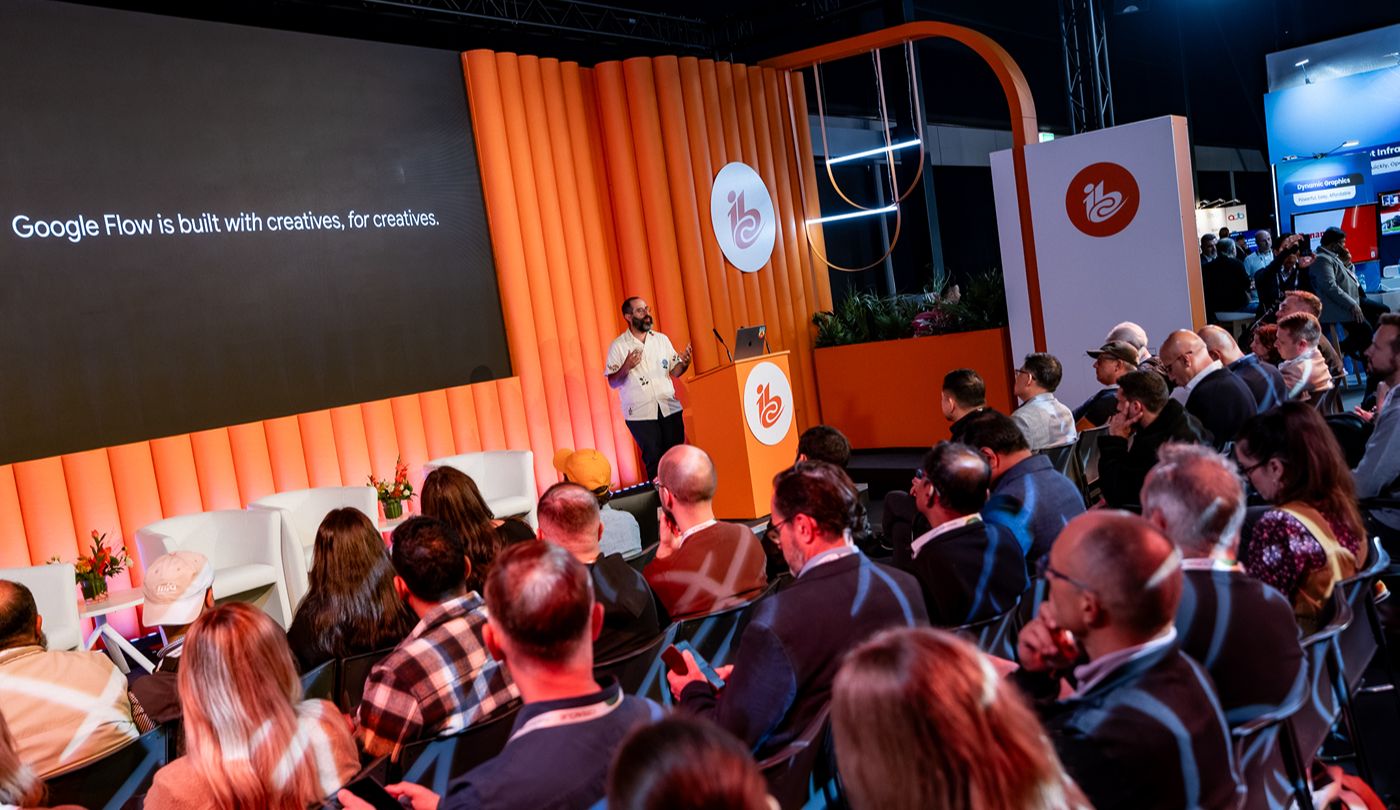
Content Everywhere at IBC2026: AI moves from hype to action
Companies from across the Content Everywhere ecosystem highlight what they see as some of the most promising industry developments at IBC2026, while calling out areas where they think the industry has room for improvement.
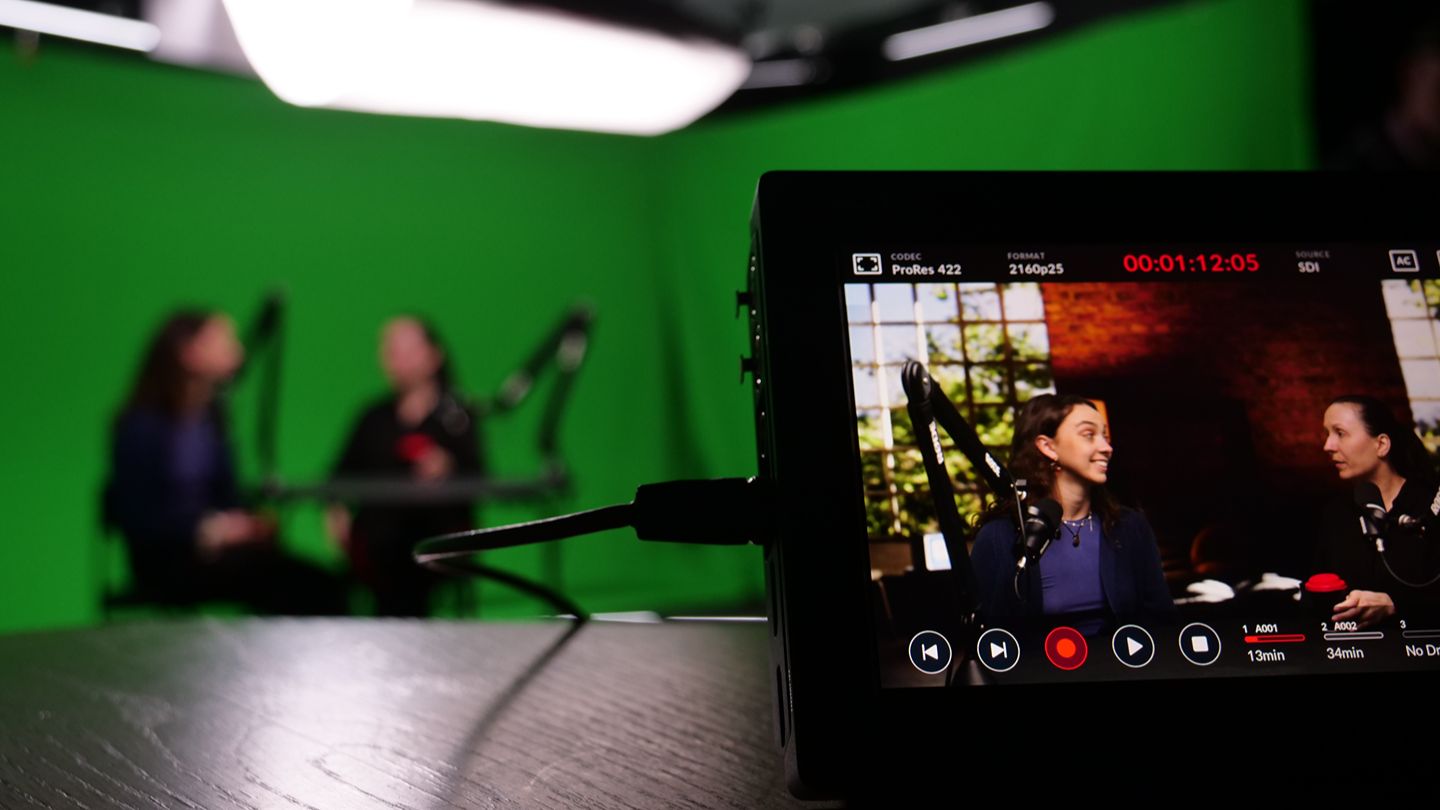
How virtual sets are changing the shape of podcast production
One podcast session can now feed a much wider content package spanning audio and video. Rob Chandler, Founder, CEO, The Dean Street Podcast Studio, explains how that changing demand shaped the studio he built in central London.

.jpg)
.jpg)
.jpg)