
Adobe says it has worked closely with professional video creators to advance the Firefly Video Model with a particular emphasis on generative editing, reports Adrian Pennington.
Adobe has progressed its generative AI video product with further tools to enhance the editing process launching in beta.
First previewed earlier this year, the Firefly video model’s capabilities launching in beta this week are designed to help video editors fill gaps in a timeline and add new elements to existing footage.
“Video is hard,” says Alexandru Costin, Vice President, Generative AI and Sensei at Adobe. “We’ve been working on it for a while but we weren’t happy with the quality. Our research department has done wonders to handle 100 times more pixels, 100 times more data using thousands and thousands of GPUs to make sure we master the research. We’re now proud of the quality we’re delivering.”...
You are not signed in
Only registered users can read the rest of this article.
.jpg)
Call my agent: Agentic AI begins buying media advertising
AI agents have the potential to automate media transactions at scale, but today’s focus is less about fully autonomous workflows and more on experimentation and efficiencies.
.jpg)
NAB Show New York: The stakes could not be higher
As media, technology, and politics become increasingly intertwined, the stakes extend far beyond the balance sheet.
.jpg)
6G-Holonet: Bringing Star Trek’s comms system to reality
As the 6G-Holonet project sets its sights on live entertainment, cultural heritage sites, and immersive media, Alex Buchan, Chief Technology Officer, DTG, reveals the key technological considerations that have ensured the project’s impact.
.jpg)
ULL-timate goal: How streamers are prioritising ultra-low latency
With audiences expecting instant global information, and broadcasters competing against social platforms that deliver clips within seconds, the race is on to deliver ultra-low latency (ULL) as a competitive edge.
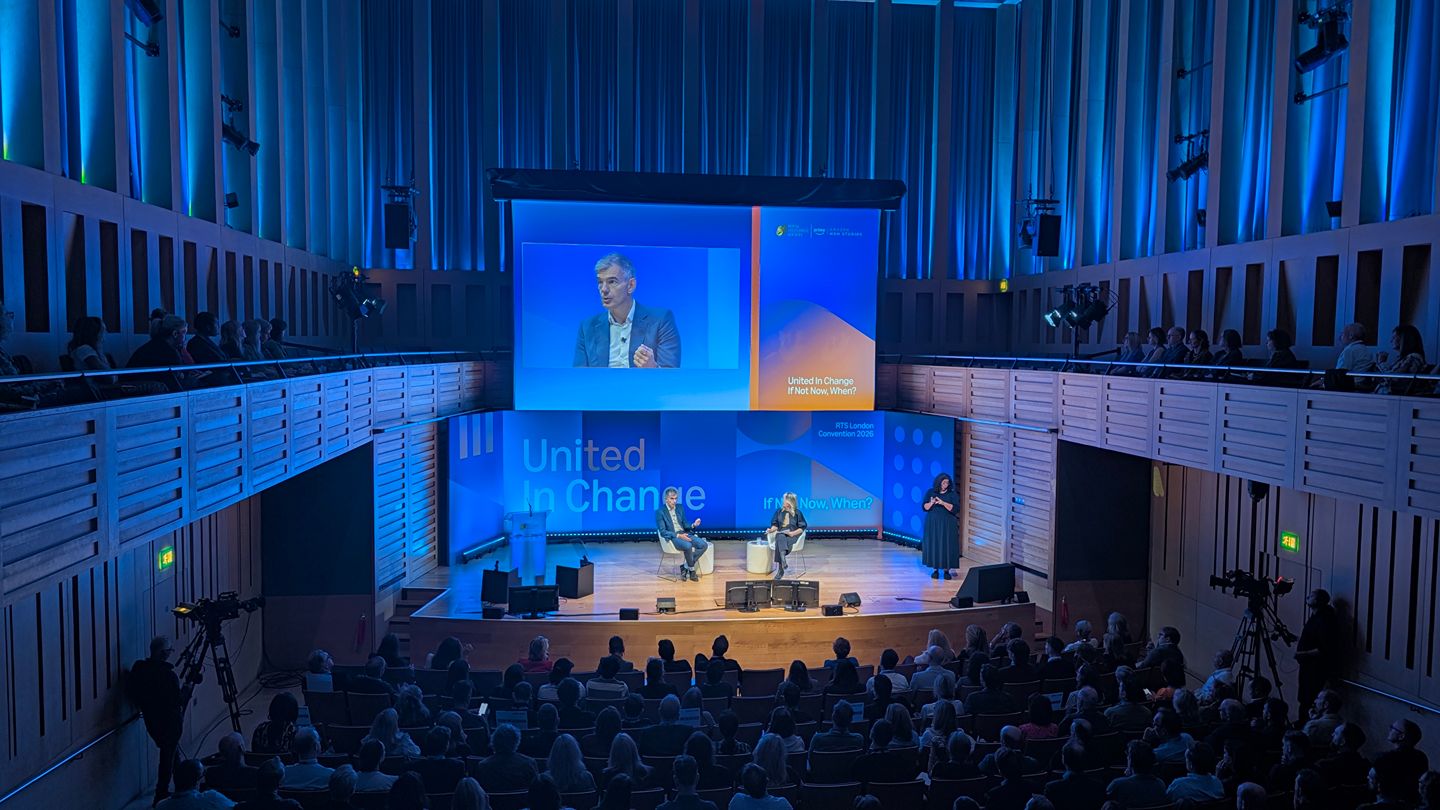
RTS Convention: “The prize for standing still simply isn't an option”
AI was largely sidelined at the annual RTS gathering where the fate of public service media took precedence. Adrian Pennington reports.
 (1).jpg)
.jpg)