Behind the Scenes: Disclaimer
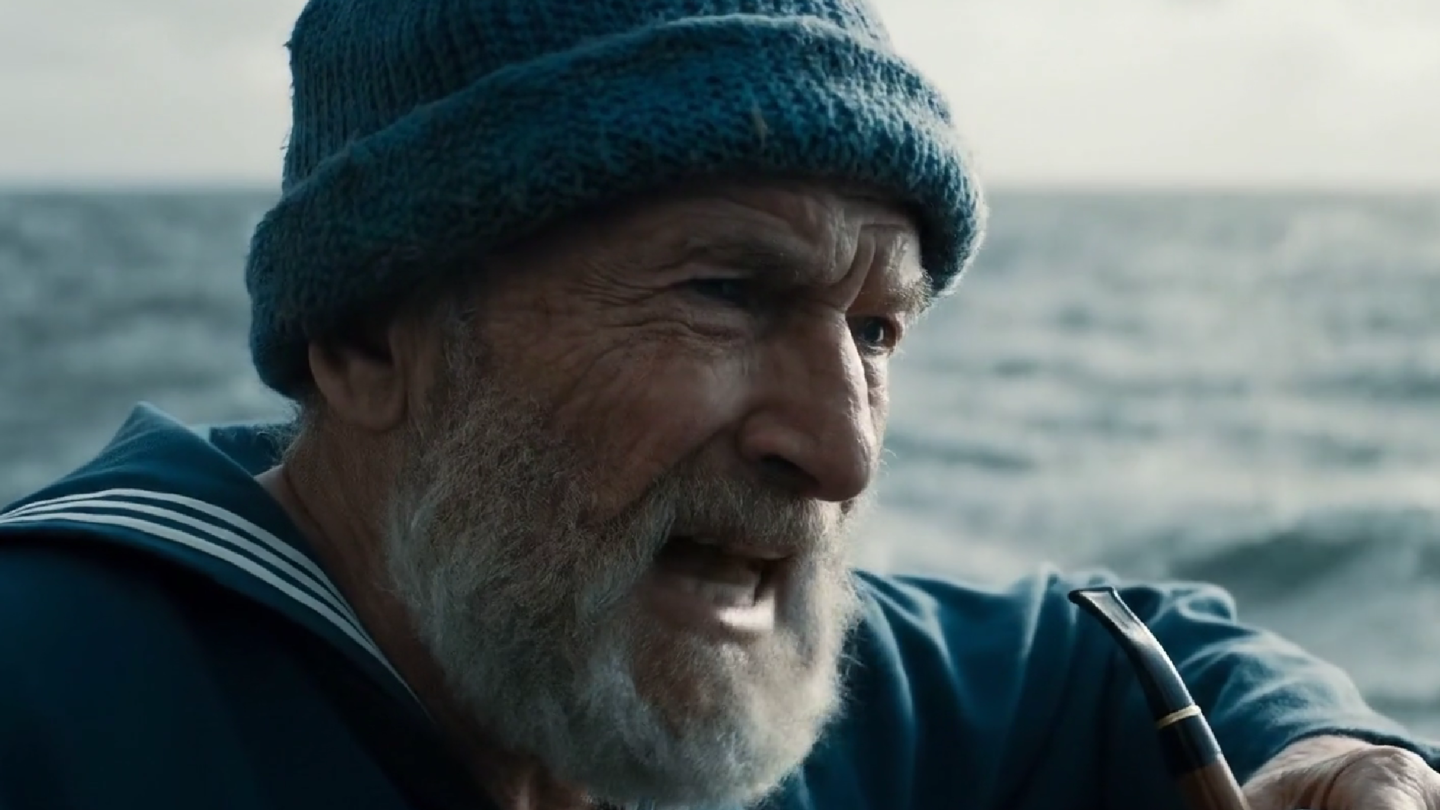
For all the slippery perspectives in psychological thriller Disclaimer, the truth is lying in plain sight, explains Editor Adam Gough.
Adrian Pennington is a journalist, editor and commentator in the film and TV production space. He has produced and chaired conference sessions, co-written a book on stereoscopic 3D, edited several publications and is copywriter of marketing materials for the industry.
For all the slippery perspectives in psychological thriller Disclaimer, the truth is lying in plain sight, explains Editor Adam Gough.
Saudi Arabia's cinema market is experiencing a cultural renaissance, driven by increasing local productions and a growing appetite for diverse storytelling, reports Adrian Pennington from the Red Sea International Film Festival.
Mystery, suspense and a game of thrones in the Vatican lensed by cinematographer Stéphane Fontaine.
Opposing colours in the same frame, 6000 lightning cues and shooting 17 sound stages - one the size of four American football fields, all merit why Wicked is the ‘latest hurrah to the golden days of epic studio filmmaking,’ writes Adrian Pennington.
The director of 12 Years A Slave and Small Axe has created a historical aesthetic of a tragic and turbulent London, depicting lives subjected to a permanent black out, in Blitz, Steve McQueen’s new film based on authentic anecdotes and inspired by filmmaker archives of the era.
A usually quiet show dedicated to cinematography erupted into controversy around female representation.
Developers believe 6G will usher in photo-realistic holographic communication complemented by multisensory extensions - and experiments are already happening today.
Re-recording Mixer Tony Volante and Cinematographer Jomo Fray explain how they told a drama from the perspective of its lead characters.
In a world of green screen and AI, the sets for Gladiator II might be the last great build in movies.
The transition to IP using SMPTE 2110 has been broadly successful in a studio environment but interoperability in the live and near live domain still has work to go. A recent innovation from the BBC could provide the answer.