Ongoing technological, operational and commercial barriers mean the full potential of programmatic TV is yet to be unlocked, discovers David Davies.
Commercial opportunities heralded by programmatic TV and its underlying technologies, which leverage data and automation to streamline ad buying and delivery against TV content on different platforms, are an increasingly prominent topic as the shift from linear TV to streaming accelerates. As it stands, however, significant obstacles remain in preventing programmatic TV from achieving its full potential.
That’s the central position of a new venture, the European Programmatic TV Initiative (EPTVI), which has been formed by media tech companies – including The Trade Desk, PubMatic, Equativ, Magnite, Cadent and Adform – in conjunction with The Project X Initiative and up to 14 major European broadcasters, streamers and agency groups. As well as seeking to “create a comprehensive understanding of programmatic TV”, including its benefits and drawbacks, it also has a very defined objective of authoring a roadmap for the future development of programmatic TV in Europe...
You are not signed in
Only registered users can read the rest of this article.
.jpg)
6G-Holonet: Bringing Star Trek’s space-age comms system to reality
As the 6G-Holonet project sets its sights on live entertainment, cultural heritage sites, and immersive media, Alex Buchan, Chief Technology Officer, DTG, reveals the key technological considerations that have ensured the project’s impact.
.jpg)
ULL-timate goal: How streamers are prioritising ultra-low latency
With audiences expecting instant global information, and broadcasters competing against social platforms that deliver clips within seconds, the race is on to deliver ultra-low latency (ULL) as a competitive edge.
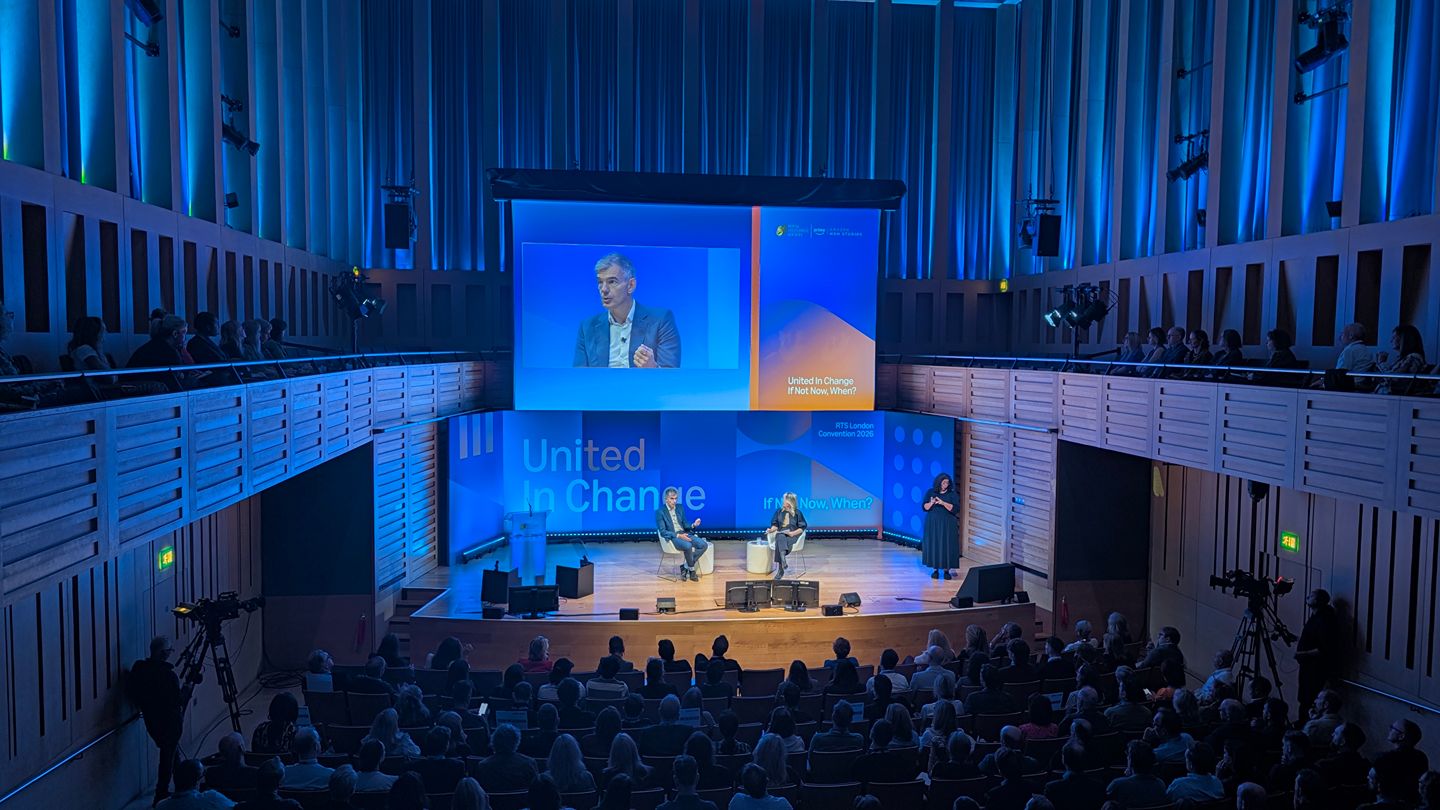
RTS Convention: “The prize for standing still simply isn't an option”
AI was largely sidelined at the annual RTS gathering where the fate of public service media took precedence. Adrian Pennington reports.
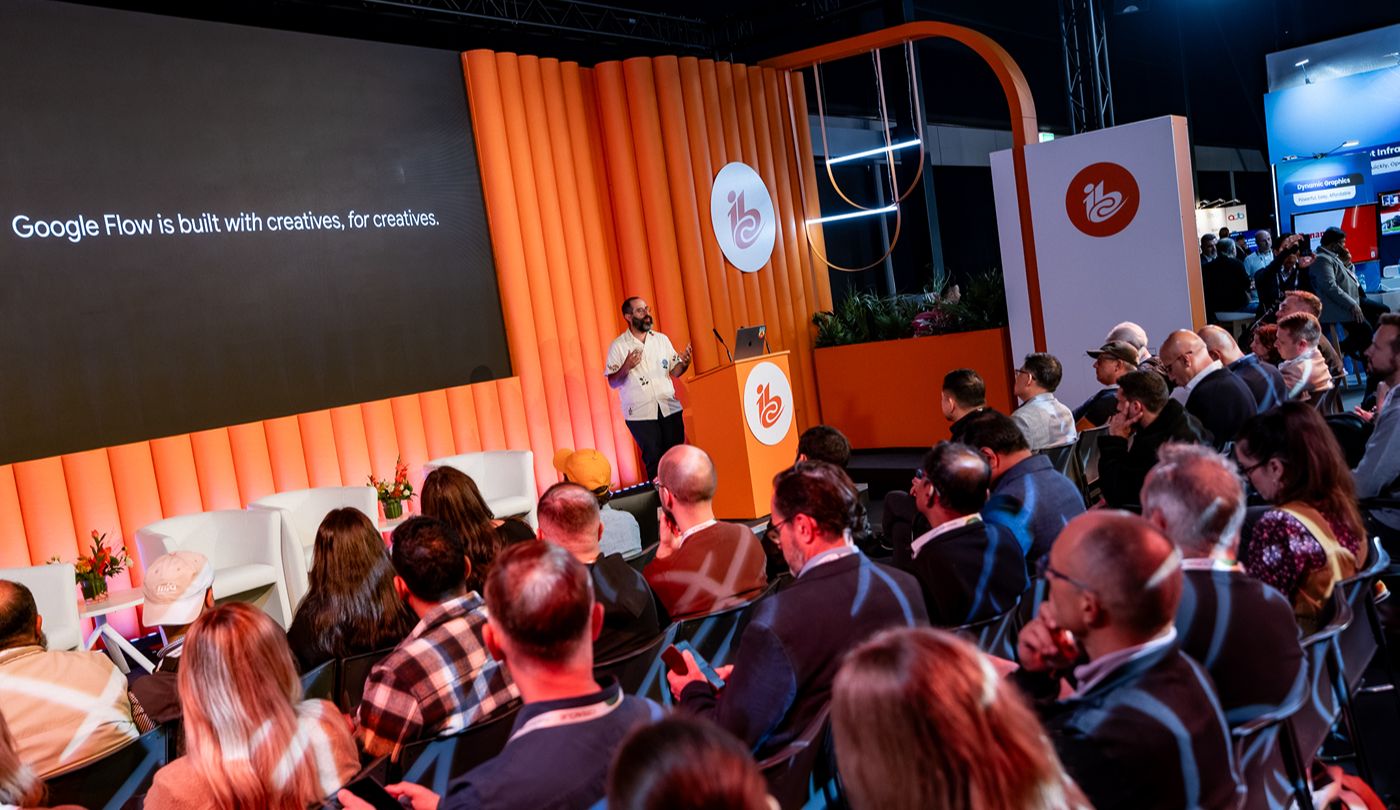
Content Everywhere at IBC2026: AI moves from hype to action
Companies from across the Content Everywhere ecosystem highlight what they see as some of the most promising industry developments at IBC2026, while calling out areas where they think the industry has room for improvement.
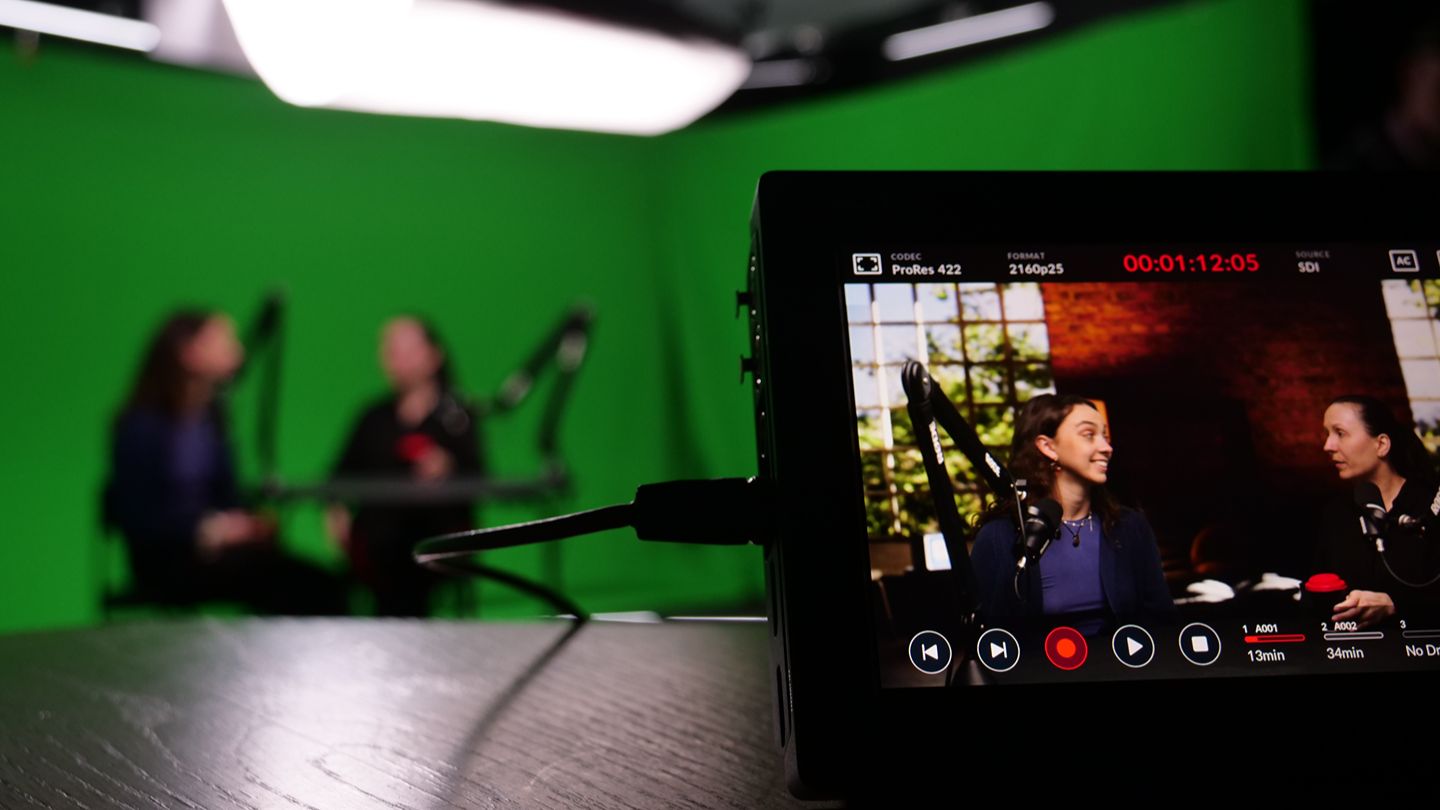
How virtual sets are changing the shape of podcast production
One podcast session can now feed a much wider content package spanning audio and video. Rob Chandler, Founder, CEO, The Dean Street Podcast Studio, explains how that changing demand shaped the studio he built in central London.
/2. Channel 4.jpg)