
Local TV woes, Hurricane Milton and an existential threat to journalism all threatened to dampen the mood at NAB Show New York, but FAST and fan-fuelled TV offer hope.
NAB Show New York wrapped last week having attracted more than 12,000 attendees, around the same as 2023 and a couple thousand down on its pre-pandemic peak. The two-day event comes at a time when US broadcasters face serious pressures on their business model and an existential threat from a Trump presidency.
Were it not a presidential election year, US TV stations would be in even more pain. Political ad spending on TV stations is expected to reach $3.94bn, up 10% from the last presidential election year in 2020 boosting industry revenue, including gross national/local spot advertising, digital and retransmission fees 8.3% to over $40bn...
You are not signed in
Only registered users can read the rest of this article.
.jpg)
6G-Holonet: Bringing Star Trek’s space-age comms system to reality
As the 6G-Holonet project sets its sights on live entertainment, cultural heritage sites, and immersive media, Alex Buchan, Chief Technology Officer, DTG, reveals the key technological considerations that have ensured the project’s impact.
.jpg)
ULL-timate goal: How streamers are prioritising ultra-low latency
With audiences expecting instant global information, and broadcasters competing against social platforms that deliver clips within seconds, the race is on to deliver ultra-low latency (ULL) as a competitive edge.
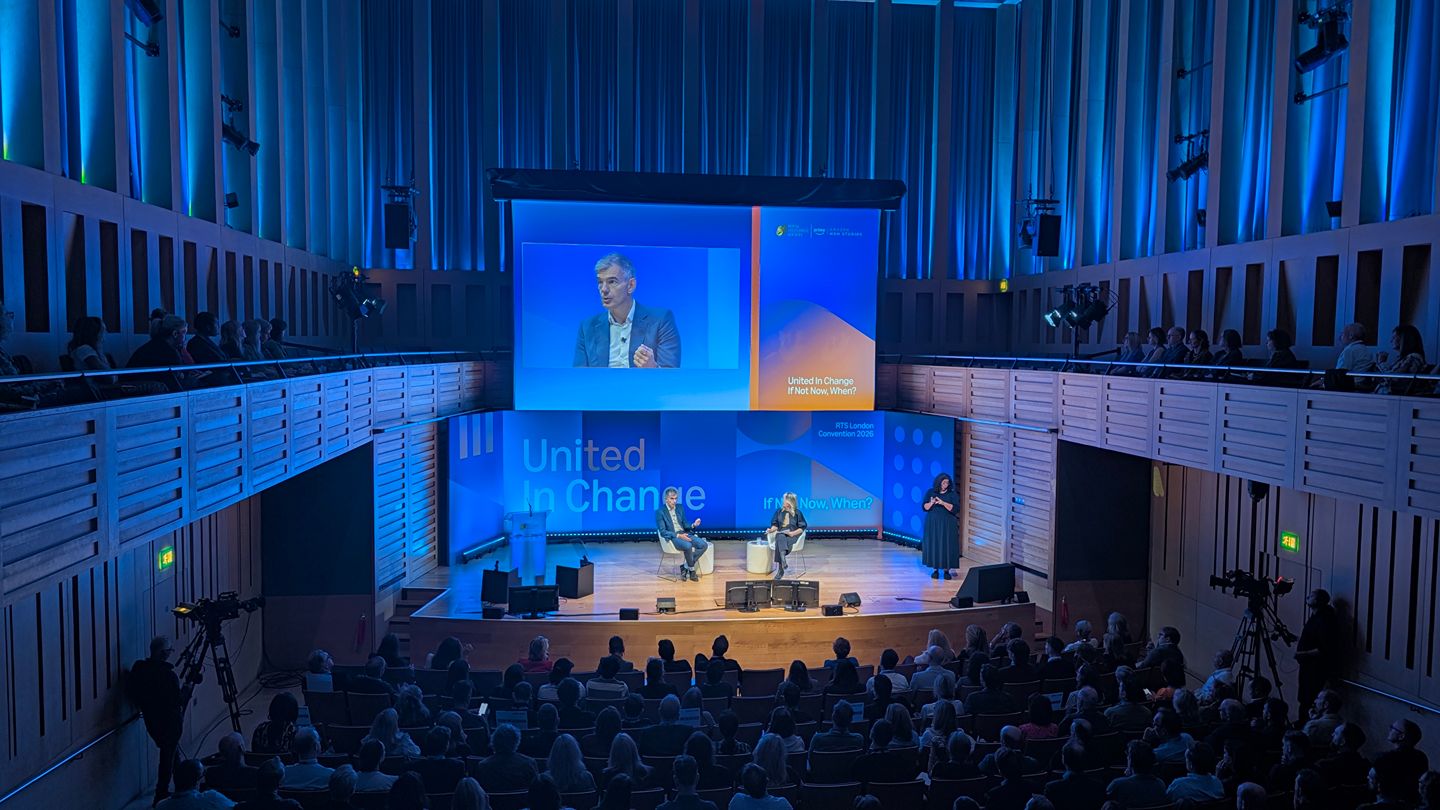
RTS Convention: “The prize for standing still simply isn't an option”
AI was largely sidelined at the annual RTS gathering where the fate of public service media took precedence. Adrian Pennington reports.
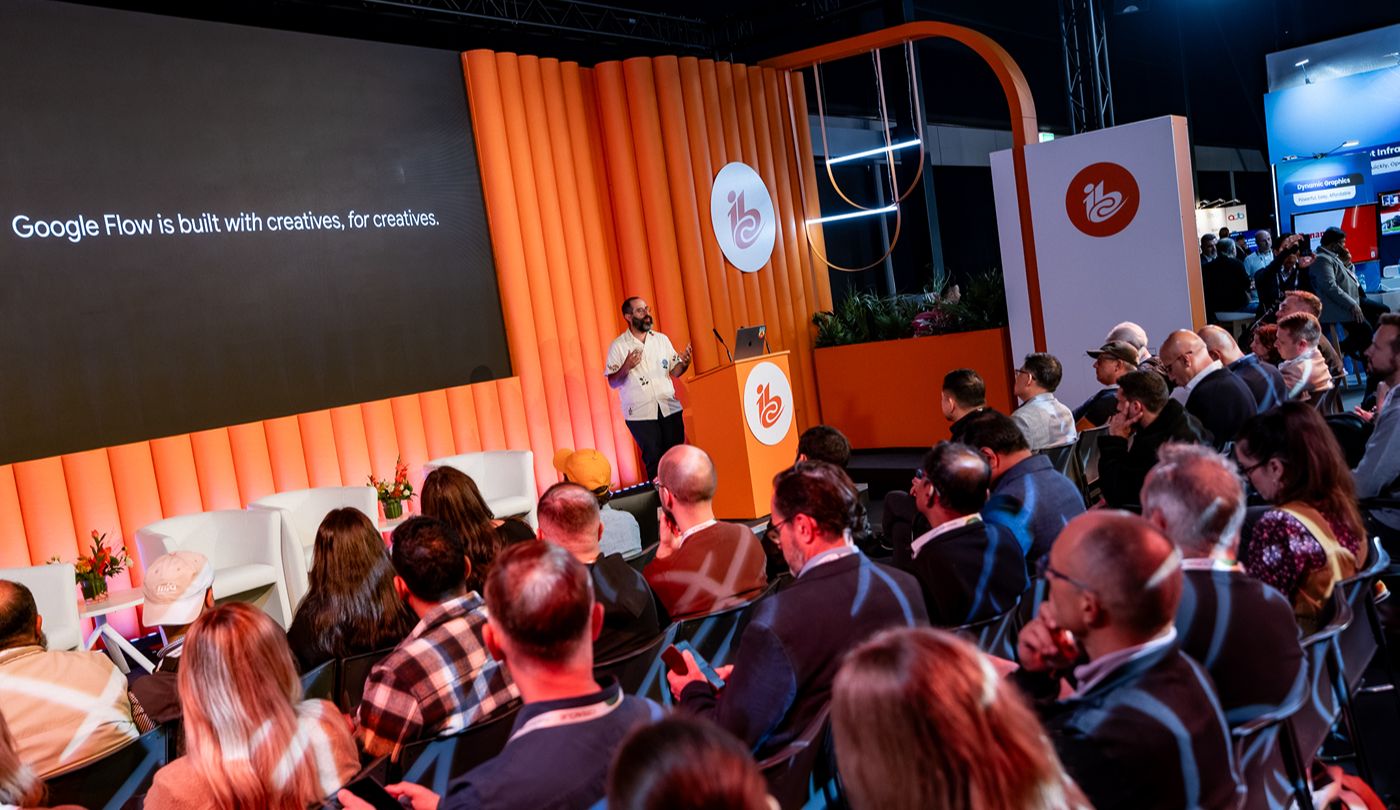
Content Everywhere at IBC2026: AI moves from hype to action
Companies from across the Content Everywhere ecosystem highlight what they see as some of the most promising industry developments at IBC2026, while calling out areas where they think the industry has room for improvement.
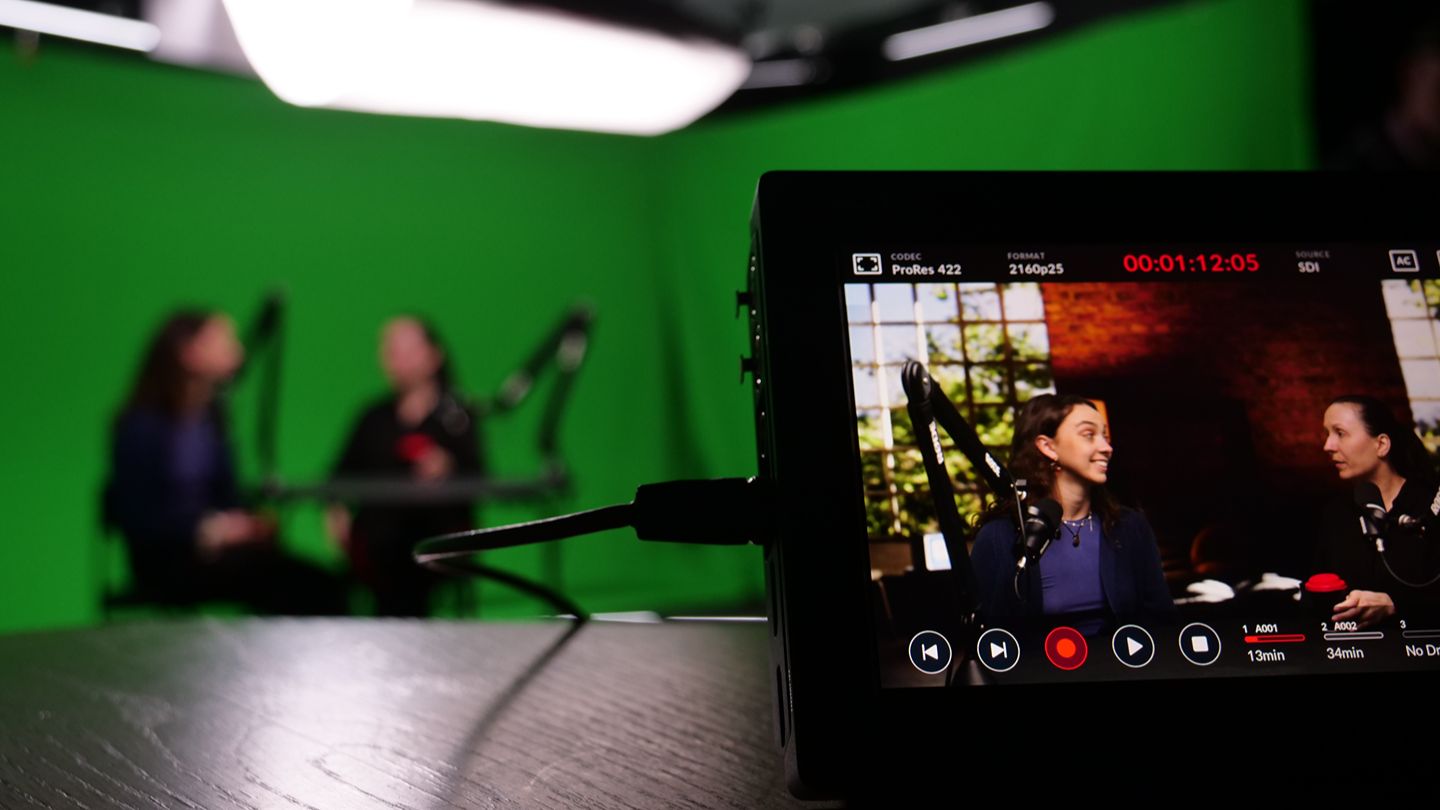
How virtual sets are changing the shape of podcast production
One podcast session can now feed a much wider content package spanning audio and video. Rob Chandler, Founder, CEO, The Dean Street Podcast Studio, explains how that changing demand shaped the studio he built in central London.